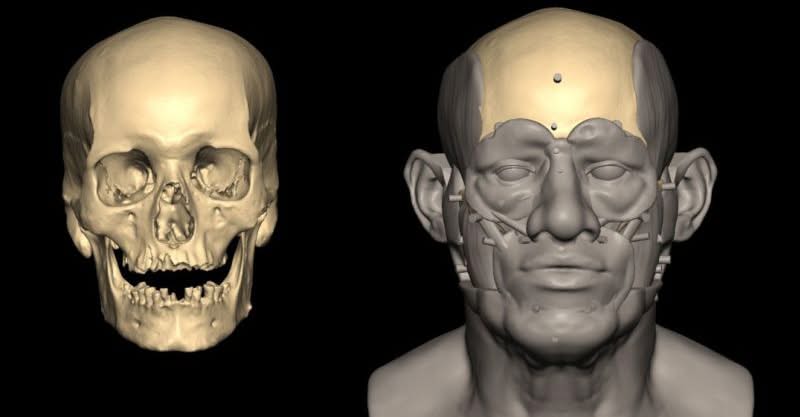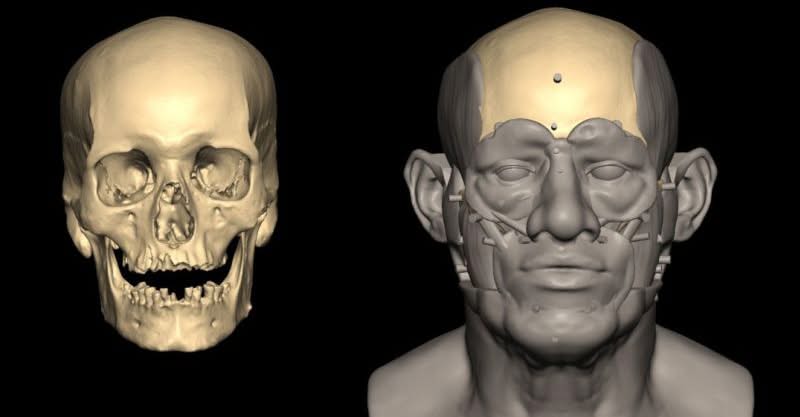
In a long-sought first, researchers have sequenced the entire genome of an ancient Egyptian person, revealing unprecedented insight about the ancestry of a man who lived during the time when the first pyramids were built.
The man, whose remains were found buried in a sealed clay pot in Nuwayrat, a village south of Cairo, lived sometime between 4,500 and 4,800 years ago, which makes his DNA the oldest ancient Egyptian sample yet extracted. The researchers concluded that 80% of his genetic material came from ancient people in North Africa while 20% traced back to people in West Asia and the Mesopotamia region.
Their findings, published Wednesday in the journal Nature, offer new clues to suggest there were ancient cultural connections between ancient Egypt and societies within the Fertile Crescent, an area that includes modern-day Iraq (once known as Mesopotamia), Iran and Jordan. While scientists have suspected these connections, before now the only evidence for them was archaeological, rather than genetic.
Read more:
Source